Posts

Collateral charges explained. Short and sweet.

Image
A collateral charge mortgage is a method of registering a mortgage on a property's title up to or above the value of the home with the purpose of making futuring borrowing against the home easier. In contrast, a regular mortgage is only registered against the property for the total amount borrowed. Ex: If your home value is $410,000 and you owe $307,000 the mortgage registered against your title may still be as much as $410,000 or even higher. The benefit is supposed to be that you can then borrow money from your home in the future without having to refinance your mortgage, meaning you avoid the legal process however, your lender may still charge a fee to advance additional funds. In order to borrow more you're still required to qualify and an appraisal is still needed which you may be required to pay for. The primary disadvantage to a collateral charge mortgage is that they can't be simply transferred to a new lender in order to take advantage of a better mortgage ...
Good Credit Advice

Image
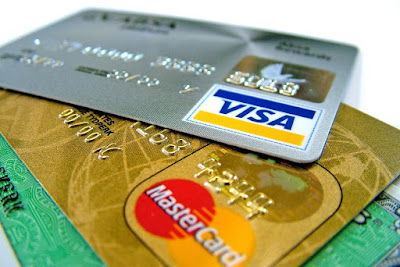
Average debt balance for Canadians in 2015 was $21,058. I have reviewed a lot of credit bureaus and I learned early on in this business that most people have an inadequate understanding of how credit reporting works. Most go about their life almost never thinking about their personal credit profile until they want to apply for some type of credit or loan. The thing is, some forms of credit of very easy to qualify for like secured or low limit credit cards or auto loans  which are weirdly easy to qualify for considering some vehicle payments can be as much a a mortgage payment! So these types of credit don't really require much for preliminary advice or planning. Other types of credit are more difficult to qualify for, like unsecured loans, lines of credit and mortgages and these require a much more strict understanding of borrowing requirements. So, to help you work toward a 800+ credit score which will allow you to qualify for a mortgage or any type of credit you w...

RRSP or TFSA ...or BOTH?

Image
There is plenty of debate about whether RRSPs or TFSAs are the best place to park your savings, but industry professionals  say if you understand the advantages and disadvantages of each, there is little reason not to use both. "Both the RRSP [registered retirement savings plan] and the tax-free savings account form a very important role in an overall financial plan," explains Jared Webb, an adviser with Fernhill Financial in Victoria, B.C. "They're both very effective.They're both fantastic tools. One is not better than the other, really. They serve different purposes. Like any tool in a tool chest, if you use the proper tool for the job, it's the most effective." It's the tax treatment that's different, and that can make a difference when deciding which one is right for you. "Tax-free savings accounts and RRSPs are simply just tax strategies," Webb said. "They're just telling the governme...

Mortgage Myth # 4

Image

Minimum Down Payment For Home Buyers To Increase, Effective February 2016

Image
Late in 2015, Finance Minister Bill Morneau announced changes to down payment requirements. Effective February 15, 2016, the minimum down payment for new insured mortgages will increase from five per cent to 10 per cent for the portion of the house price above $500,000. The five per cent minimum down payment for properties up to $500,000 remains unchanged. Mortgage Professionals Canada Chief Economist, Will Dunning, is reviewing the full impact of this down payment increase – in particular, on first-time buyers. We will provide further analysis as it becomes available. In Canadian Mortgage Trend's Fall Report, Dunning discusses why raising the down payment could cause problems for the housing market, including this cautionary observation: “Rising prices have made it increasingly difficult for first-time homebuyers to accumulate down payments. Increasing down payment requirements would, most likely, severely dampen housing demands from people who are financially well-qualifie...